
How Thermal Scanning Fault Finding and Detects Hidden Electrical Faults
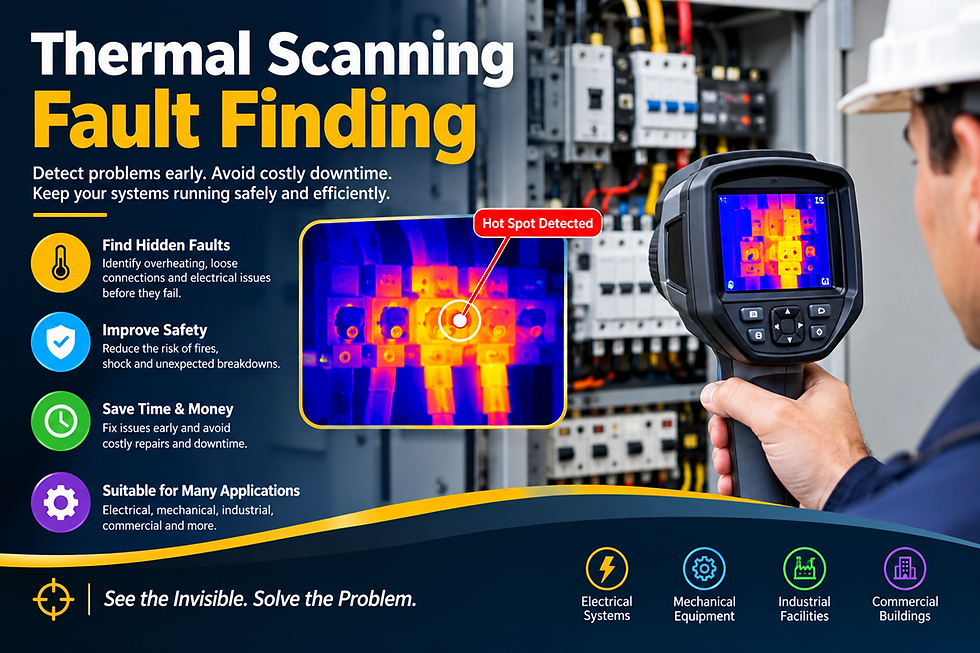
Here's the thing about electrical faults they're sneaky. Most problems develop gradually, hidden away in switchboards, wall cavities, and junction boxes. By the time you notice something's wrong, you might already be dealing with flickering lights, strange burning smells, or worse, an actual fire. Traditional visual inspections simply can't catch what the eye can't see. That's where thermal scanning fault finding steps in as a genuine game-changer for property owners across Australia.
We will explore exactly how thermal imaging technology works to uncover those invisible electrical gremlins. You'll discover the science behind infrared detection, learn which types of faults this technology can identify, and understand why proactive thermal inspections could save you thousands in repairs or even protect your family from harm. Whether you own a home, run a business, or manage commercial properties, this guide will give you the knowledge you need to make informed decisions about electrical safety.
What Is Thermal Scanning fault finding for Electrical Systems?
Thermal scanning, fault finding also known as thermographic inspection, uses specialised cameras to capture infrared radiation emitted by objects. In plain English? It creates pictures based on heat rather than visible light. Every electrical component generates some heat during normal operation, but faulty or stressed components produce significantly more.
How Does Thermal Imaging Work?
A thermal imaging camera detects infrared energy and converts it into a visual display. Warmer areas appear as bright colours (typically red, orange, or yellow), while cooler areas show as blues and greens. This colour-coded map allows trained technicians to quickly identify temperature anomalies that indicate potential problems.
The Science Behind Infrared Technology
All objects with a temperature above absolute zero emit infrared radiation. The warmer something gets, the more radiation it produces. Electrical faults create resistance in circuits, and resistance generates excess heat. This fundamental principle makes thermal scanning fault finding incredibly effective for electrical inspections.
How Does Thermal Scanning fault finding Detect Electrical?
The detection process relies on comparing temperatures across similar components and identifying patterns that suggest problems. A qualified thermographer knows exactly what to look for and can distinguish between normal operational heat and dangerous anomalies.
Identifying Hot Spots and Temperature Anomalies
Hot spots are the primary indicators of electrical trouble. When a connection loosens, corrosion develops, or a component begins failing, electrical resistance increases. This increased resistance creates localised heating that shows up clearly on thermal images.
What Types of Electrical Problems Can Thermal Imaging Find?
The range of detectable issues is surprisingly broad. From simple loose wires to complex systemic overloads, thermal imaging reveals problems across the entire electrical spectrum.
Loose Connections and Faulty Wiring
Loose connections rank among the most common and most dangerous electrical faults. When a connection isn't tight, electricity must arc across the gap, generating tremendous heat. Over time, this heat damages surrounding components and insulation, potentially leading to fire.
Thermal scanning fault finding spots these connections instantly. The characteristic heat signature of a loose terminal is unmistakable to trained eyes, allowing repairs before any damage occurs.
Overloaded Circuits and Switchboards
Overloaded circuits generate excess heat throughout the entire run. Thermal imaging reveals these overworked systems, allowing you to redistribute loads or upgrade capacity before circuit breakers start tripping or worse, before wires overheat inside walls.
Failing Electrical Components
Circuit breakers, contactors, and other electrical components don't last forever. As they age, internal mechanisms wear and resistance increases. Thermal scanning fault finding identifies components approaching failure, enabling planned replacement during scheduled maintenance rather than emergency callouts.

Benefits of Electrical Thermal Imaging Inspections
Investing in thermal inspections delivers multiple returns, from safety improvements to significant cost savings.
Preventing Electrical Fires Before They Start
Electrical faults cause thousands of house fires across Australia each year. Many of these tragedies are preventable. Thermal scanning fault finding identifies the warning signs excessive heat, deteriorating connections, overloaded systems while there's still time to act.
Reducing Costly Downtime and Emergency Repairs
For businesses, unexpected electrical failures mean lost productivity, spoiled stock, and expensive emergency callouts. A single thermal inspection costing a few hundred dollars can prevent failures worth tens of thousands.
Extending the Lifespan of Electrical Equipment
Excess heat accelerates wear on all electrical components. By identifying and resolving heat-generating faults early, you extend the useful life of switchboards, wiring, and connected equipment.
Is Thermal Scanning Fault Finding Safe for My Property?
Absolutely. Thermal scanning fault finding is completely non-invasive and non-contact. The camera never touches any electrical components, and no modifications or disconnections are required. Your systems continue operating normally throughout the inspection.
When Should You Get a Thermal Electrical Inspection?
Timing matters when it comes to electrical safety. Both reactive scanning after noticing problems and proactive scheduled inspections have their place.
Signs Your Property Needs Thermal Scanning Fault Finding
Consider booking an inspection if you notice:
Flickering or dimming lights
Warm or discoloured power points
Burning smells near electrical installations
Circuit breakers tripping frequently
Buzzing or humming from switchboards
Unexplained increases in electricity bills
These symptoms often indicate underlying faults that thermal imaging can pinpoint precisely.
Recommended Inspection Frequency for Homes and Businesses
For residential properties, thermal scanning fault finding every three to five years provides reasonable protection. Properties with older wiring or previous electrical issues benefit from more frequent checks.
What Happens During a Thermal Scanning fault finding Inspection?
Understanding the process helps you prepare and ensures you get maximum value from your inspection.
The Inspection Process Explained
A qualified thermographer arrives with specialised equipment and systematically scans all accessible electrical installations. This typically includes the main switchboard, distribution boards, power points, and any visible wiring.
Thermal Scanning vs Traditional Electrical Inspections: What's the Difference?
Traditional inspections rely on visual examination and electrical testing. They're thorough but limited to what can be seen or measured directly. Thermal scanning fault finding adds another dimension the ability to see heat that indicates hidden problems.
Protecting Your Property with Proactive Detection
Electrical faults don't announce themselves until something goes wrong. By then, you might be facing expensive repairs, dangerous fires, or devastating losses. Thermal scanning offers a window into your electrical system's health, revealing problems while they're still small and manageable.


Comments