
How To Choose The Right Skylight Custom Flashing For Your Home

Ever wondered why some skylights seem to last forever while others become a nightmare of leaks and water damage? Have you noticed water stains appearing around your skylight after heavy rain? Or perhaps you're planning a skylight installation and want to get it right from the start?
Here's the thing – the secret to a long-lasting, leak-free skylight isn't just about the skylight itself. It's all about the flashing. This often-overlooked component is what stands between your beautiful new skylight and potential water damage that could cost thousands to repair. Getting your skylight flashing right is absolutely non-negotiable if you want to protect your home.
In this guide, we'll walk you through everything you need to know about choosing the right skylight custom flashing for your home. You'll learn what flashing actually does, why custom options often beat off-the-shelf alternatives, and how to match your flashing to your specific roof type. We'll also cover the different materials available, how to measure correctly, and whether you should tackle installation yourself or bring in the professionals. By the end, you'll feel confident making the right choice for your home and budget.

What Is Skylight Flashing And How Does It Work?
The Basic Components Of A Skylight Flashing System
Think of skylight flashing as a protective barrier – a waterproof shield that sits between your skylight frame and your roof. It's typically made up of several pieces that work together to direct water away from vulnerable areas.
A complete flashing system includes head flashing at the top, sill flashing at the bottom, and step or side flashing along the edges. These components overlap strategically, creating a pathway that guides rainwater safely down your roof and into your gutters.
How Flashing Protects Your Roof And Home
Without proper flashing, water would seep into the gaps between your skylight and roofing materials. Over time, this leads to rotting timber, mould growth, and structural damage. Quality skylight flashing creates multiple layers of protection, making sure that even during torrential downpours, your home stays dry and damage-free.
Why Does My Skylight Need Custom Flashing?
Standard vs Custom Flashing: Understanding The Difference
Standard flashing kits come in fixed sizes and are designed to fit common skylight dimensions and roof pitches. They're convenient and often more affordable upfront. Custom flashing, on the other hand, is manufactured specifically for your skylight dimensions, roof type, and pitch angle.
The main difference? Custom flashing fits like a glove. There are no gaps, no makeshift adjustments, and no compromises. This precision fit translates to better weather protection and a longer lifespan.
When Off-The-Shelf Flashing Simply Won't Cut It
If your roof has an unusual pitch, you've got a unique roofing material like slate or custom tiles, or your skylight sits in a tricky location, standard flashing probably won't work. Australian homes often feature Colorbond roofing or specific tile profiles that require tailored solutions. In these situations, custom skylight flashing isn't a luxury – it's a necessity.
Types of Skylight Flashing Systems Explained
Step Flashing
Step flashing uses individual pieces of metal that overlap like fish scales along the sides of your skylight. Each piece works with your roofing materials to create a watertight seal. It's particularly effective for shingle and tile roofs.
Continuous Flashing
Also called apron flashing, this type uses one long piece of metal rather than multiple overlapping sections. It's simpler to install but works best on specific roof types and configurations.
Counter Flashing
Counter flashing sits over the top of your base flashing, providing an extra layer of protection. It's often embedded into mortar joints on tile roofs or sealed against the skylight frame.
Deck-Mounted vs Curb-Mounted Flashing
Deck-mounted skylights sit directly on the roof deck, requiring flashing that integrates with the roofing materials. Curb-mounted skylights sit on a raised frame, needing different flashing configurations. Your skylight type determines which flashing approach you'll need.
What Materials Are Best For Skylight Flashing?
Aluminium Flashing
Aluminium is lightweight, rust-resistant, and budget-friendly. It's easy to work with and suits most Australian climates. However, it can corrode when in contact with certain materials, so proper installation is key.
Copper Flashing
Copper offers exceptional durability and develops an attractive patina over time. It's pricier but can last 50 years or more. For heritage homes or premium installations, copper is hard to beat.
Lead Flashing
Lead is incredibly malleable, making it perfect for complex roof shapes and tile profiles. It's been used for centuries and remains popular for good reason. Just make sure installation follows current safety guidelines.
Galvanised Steel Flashing
Galvanised steel provides excellent strength and weather resistance at a reasonable price point. It's particularly well-suited to Colorbond and metal roofing applications across Australia.
How Do I Know What Size Flashing I Need For My Skylight?
Measuring Your Skylight Correctly
Accurate measurements are critical. Measure the external dimensions of your skylight frame, including any mounting flanges. Don't forget to measure the rough opening in your roof as well – these measurements should be provided to your flashing supplier.
Accounting For Roof Pitch And Angle
Your roof's pitch affects how water flows and how your flashing needs to be configured. Steeper pitches require different flashing profiles compared to low-pitch roofs. Most suppliers will ask for your roof pitch angle, so have this information ready.
Matching Skylight Flashing To Your Roof Type
Flashing For Tile Roofs
Tile roofs require flashing that works with the tile profile. This often means custom solutions that sit beneath tiles while maintaining proper water flow. Lead flashing is particularly popular for tile roof applications.
Flashing For Metal Roofs
Metal roofing needs flashing that matches the rib pattern and profile. Using incompatible metals can cause galvanic corrosion, so material selection matters. Stick with matching or compatible metals for best results.
Flashing For Colorbond Roofing
Colorbond is everywhere in Australia, and flashing suppliers offer colour-matched options. Custom flashing for Colorbond ensures both weather protection and aesthetic continuity.
Flashing For Flat Roofs
Flat roofs present unique drainage challenges. Flashing for flat roof skylights typically includes raised curbs and additional waterproofing layers to prevent water pooling.
Can I Install Skylight Flashing Myself or Do I Need a Professional?
DIY Considerations And Risks
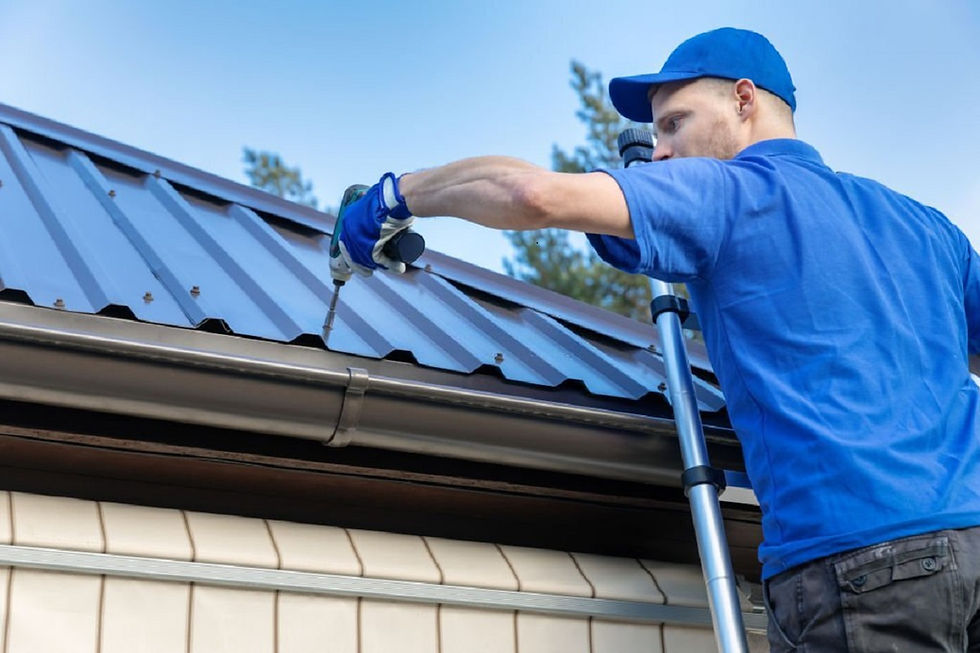
While some handy homeowners successfully install skylight flashing, it's not without risks. Incorrect installation can void warranties and lead to leaks that cause expensive damage. You'll also need proper safety equipment for roof work.
Benefits of Professional Installation
Professional installers bring experience, proper tools, and warranty coverage. They understand local building codes and can spot potential issues before they become problems. For most homeowners, professional installation offers better value in the long run.
Common Skylight Flashing Problems And How To Avoid Them
Signs of Failing or Damaged Flashing
Watch for water stains, peeling paint, or musty smells near your skylight. Visible rust, gaps, or lifted flashing sections also indicate problems. Catching issues early prevents costly repairs.
Preventing Leaks And Water Damage
Regular inspections, prompt repairs, and quality installation are your best defences. Clear debris from around your skylight and check flashing condition after severe weather events.
Top Tips For Choosing Quality Skylight Flashing
What To Look For In A Supplier
Choose suppliers with experience in your specific roof type. Look for warranties, positive reviews, and clear communication. A good supplier will ask detailed questions about your installation.
Questions To Ask Before You Buy
Ask about material compatibility, warranty terms, and installation requirements. Find out whether the supplier provides technical support and what happens if something doesn't fit correctly.
Making The Right Choice for Your Home
Choosing the right skylight custom flashing might seem complicated, but it comes down to a few key decisions. Consider your roof type, select appropriate materials, and ensure accurate measurements. Don't underestimate the importance of quality installation, whether you go DIY or professional.
Remember, your skylight flashing protects your entire investment. Spending a bit more upfront on custom, quality flashing saves money and headaches down the track. Water damage repairs far exceed the cost of doing things properly from the start.
Take your time, do your research, and choose a supplier you trust. Your home deserves protection that lasts, and the right skylight flashing delivers exactly that. Ready to get started? Reach out to reputable local suppliers and get those quotes rolling in.

Comments