
Melbourne Homeowners Discover How Underground Rainwater Tanks Save Money and Protect the Environment

More Melbourners are choosing Underground rainwater tanks they save garden space, keep water cool and disappear into the yard. Summer bakes the city; winter drizzles steady rain, so stashing water below cuts evaporation and gives you a reliable feed for irrigation, flushing toilets, even laundry. I’ve seen the hidden set‑up give a clean look homeowners love. And you’ll learn to size them, dodge installation quirks, meet council rules, keep up maintenance, and hook them into smart‑home gear, all for Melbourne’s climate and soil. Want to try it?
Why Choose Underground Rainwater Tanks?
Underground rainwater tanks use the earth's natural insulation, so water stays up to 10 °C cooler than an above‑ground tank. That cooler temp slows algae and lets pumps run smoother, especially during the blistering Jan‑Feb stretch when inner‑suburban temps hit 30 °C. And because it's hidden, you dodge the eyesore that usually scares folks away from a big cistern. Who wants a massive, ugly tank staring out the yard?
Space‑saving: No visible tank means you can keep your garden layout intact.
Fire protection: Being underground reduces fire risk for the stored water.
Temperature stability: Cooler water extends pump life and cuts energy use.
Honestly, those hidden tanks can bump resale value a bit. In leafy spots like Camberwell or Elwood, buyers keep asking about water‑saving tricks, so a solid underground system becomes a real hook. And because they’re tucked underground, they dodge wind‑blown junk and graffiti, something apartment owners with shared courtyards care about. Plus they’re low‑maintenance too.
Sizing Your Tank for Melbourne Rainfall
And the first step? Figuring out how much water you can actually catch. A roof in Fitzroy, about 150 m², yields roughly 150 litres per millimetre of rain. Melbourne gets around 650 mm a year, but you’ll need a buffer for a 30‑day dry spell. Try this quick calc: (area × rain × 0.8) ÷ 30, and you’ll land on a starter underground rainwater tanks size. Sound doable?
Small family (2‑3 people): 3 000‑5 000 litres.
Medium household (4‑5 people): 6 000‑9 000 litres.
Large property or garden‑intensive use: 10 000‑15 000 litres.
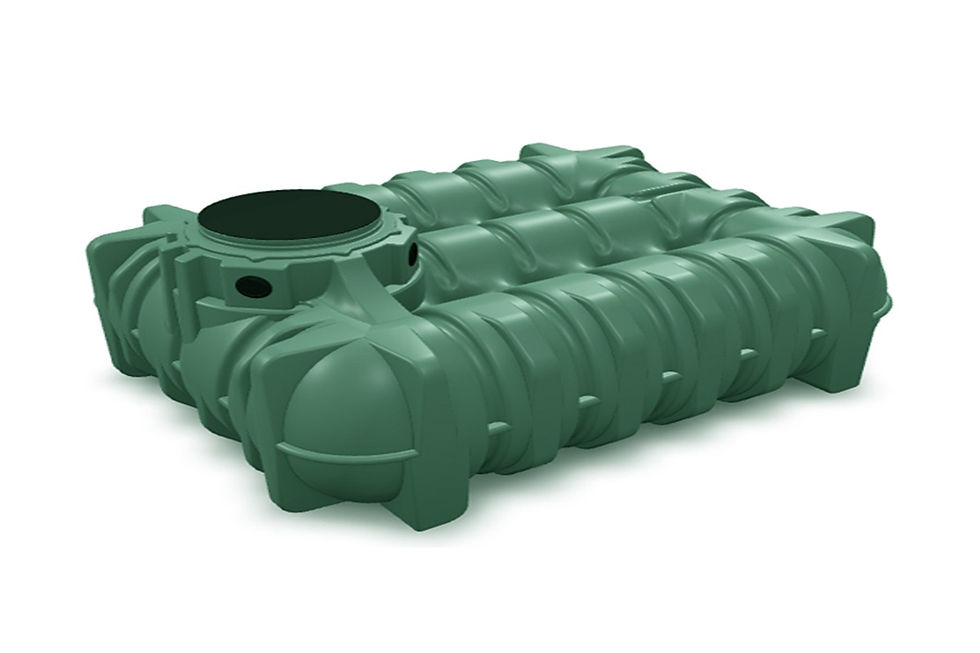
Picking a tank? First think about the material. Concrete tanks, Carat’s, last forever, but they’re a pain to drop in. Rotomoulded poly tanks like Platin are light, rust‑proof and love the western suburbs’ sandy ground. And a 6 000‑litre concrete underground rainwater tanks in Oakleigh’s clay‑rich soil stayed cooler than a same‑size poly, so it outperformed it. What’s your go‑to? The heavier concrete needs a solid base and a crane, while the poly version can be lifted by two people.
Installation Considerations in Melbourne Suburbs
First, we do a soil test. Melbourne’s ground isn’t uniform; the north‑west’s heavy clay, the south‑east’s sandy loam, and the Dandenong hills are rock. Clay holds water fine but swells when wet, so you’ll likely need a reinforced concrete slab and good drainage to stop it floating. Sandy soil? Dig a wider trench, lay compacted sand bedding, and you’ll keep the underground rainwater tanks from sinking. Got questions about the base?
Excavation depth: usually about 1.2‑1.5 m down in the yard for a 6 000‑litre tank.
And shoring: timber or steel props kick in once walls pass a metre.
So de‑watering: if the water table’s high say near Port Phillip Bay you’ll need a temporary pump to keep the pit dry. Ready?
First, level the sand and set the tank, then backfill with a sand‑gravel mix. It drains easy, eases wall pressure. And you’ll need a pump and control panel right by the service riser, most homes go with a 120 V sub‑mersible unit. Ever thought about hooking it up to a rooftop solar array? I’ve seen people do that and shave about 30 % off summer electricity. Quick, cheap, and it keeps the underground rainwater tanks cool.
Regulations and Council Approvals
Melbourne councils will ask a Development Permit if your underground rainwater tanks hold over 2 000 litres. And they’ll check the tank won’t bug the neighbours, especially in tight spots like South Yarra. Got a site‑specific plan? You’ll need to spell out size, setbacks and construction details.
Stormwater collection tanks Melbourne must comply with the Victorian Building Authority’s guidelines.
First‑flush devices are mandatory for potable reuse, as per the Water Act 2026.
Fire‑rating: Tanks in bushfire‑prone zones need a fire‑resistant enclosure.
Got the go‑ahead? A licensed underground rainwater tanks installer then steps in. In Melbourne the crew appears on the VBA list and pops up on the Consumer Affairs Victoria register. So you're dodging warranty fights and the job stays NCC‑compliant.
Maintenance and Longevity Tips
Even though underground rainwater tanks stay hidden, they still need regular care. And you've got to check the lid and service riser twice a year, once after the wet season, once before the dry summer. Spot any cracks, rust, or water seeping at the base of the underground rainwater tanks. Did you notice anything odd? A quick look can nip a costly issue in the bud.
And give the first‑flush diverter a check every year, keeps grit out.
Every six months, grab a chlorine or UV‑light kit and test the water; thinking about drinking?
Run the pump a couple of minutes each month so the seals stay slick.
Check concrete tanks often, use a crack‑monitoring gauge for hairline splits. Small cracks? Seal ’em with polymer‑based epoxy; it’s waterproof and UV‑stable. Poly tanks hardly rust, yet a busted lid lets UV eat the liner. And if the lid looks discolored, swap it right away. You’ll avoid bigger problems for sure.
Smart Integration and Energy Efficiency
Underground rainwater tanks now talk to your smart‑home gear. So a Wi‑Fi‑enabled pump controller lets you set schedules, get low‑water alerts on your phone and even hook into a solar inverter. What about automation? By 2026, many Melbourne installers will be pairing them with Homey or SmartThings for smooth runs.
Solar‑powered pumps reduce grid dependence, especially during peak summer demand.
Smart sensors monitor the level of underground rainwater tanks, temperature, and pump performance.
Automation can trigger irrigation only when the tank is above a set threshold, conserving water.
And a 120 V pump sips roughly 0.8 kWh for every hour it runs. If you push watering into off‑peak slots, you’ll shave about 15 % off the electricity bill. The cooler underground water eases the pump’s load, significantly stretching its life by roughly 20 %.
Case Studies and Real‑World Performance
Imagine a four‑bedroom house in Malvern that dropped a 9 000‑litre concrete underground tank into the yard in 2026. Two years later the family had knocked off roughly 45 000 litres of municipal water, about a third of their bill every year. And the water stayed cool, 10‑15 °C, so the pump ran 12 % better than a surface tank. Could you see the savings?
Annual water saved: 22 500 litres.
Pump electricity reduction: 180 kWh.
Maintenance incidents: only one minor lid seal replacement.
Footscray’s inner‑west got a 5 000‑litre rotomoulded poly tank. The owners hooked it up to a solar‑powered pump and a smart controller, slashing irrigation water by 40 % in the dry season while keeping the garden lush. Think that could work for you? Its UV‑absorbing liner stopped algae, so no chemicals were needed.
Conclusion
Underground rainwater tanks give Melbourne homeowners a handy way to save water, cut energy use, and keep the garden tidy. Get the size right, respect soil and council rules, and stay on top of upkeep for your underground rainwater tanks. And a smart controller or solar boost can push savings even farther. More green, less cost. So, think: would you add a few extra steps for long‑term savings? When you’re ready, call a licensed installer and watch the tank’s health, the payoff’s worth it.



Comments