
How Used Articulated Forklifts Improve Storage Capacity in Narrow Aisles
- Anna Brake
- Jul 6
- 4 min read

Are you struggling to make the most of your warehouse space? Have you noticed that traditional forklifts just can't cut it in those tight aisles? Perhaps you're wondering if there's a smarter way to boost your storage capacity without breaking the bank on brand-new equipment?
You're not alone. Across Australia, warehouse managers and logistics professionals are facing the same challenge. As e-commerce continues to boom and real estate costs climb, squeezing every bit of value from existing floor space has become absolutely critical. The good news? Used articulated forklifts offer a practical, cost-effective solution that can transform how you utilise your warehouse.
What Are Articulated Forklifts and How Do They Work?
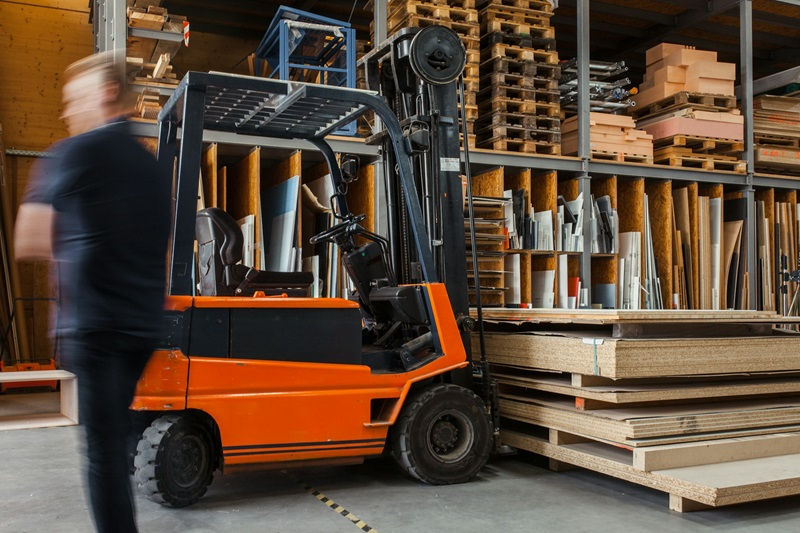
Articulated forklifts, sometimes called flexi trucks or bendi trucks, are purpose-built machines designed to operate in confined spaces. Unlike conventional forklifts that require wide turning circles, these units feature a unique articulating mast that pivots independently of the chassis.
Key Features That Set Articulated Forklifts Apart
The standout feature is the articulating steering system. This allows the mast and forks to swing up to 180 degrees while the main body stays relatively stationary. Think of it like your wrist rotating while your arm stays still—this flexibility is what makes these machines so effective in narrow aisles.
Most models also feature compact wheelbases, excellent visibility for operators, and electric powertrains. The electric motors make them ideal for indoor use, producing zero emissions and significantly lower noise levels than diesel alternatives.
Articulated vs Traditional Forklifts: Understanding the Difference
Traditional counterbalance forklifts need roughly 3.5 to 4 metres of aisle width to operate safely. That's a lot of dead space when you add it up across an entire warehouse. Articulated forklifts, on the other hand, can work comfortably in aisles as narrow as 1.6 to 2 metres.
This difference translates directly into usable storage space. By reducing aisle widths, you can fit more racking rows into the same footprint, effectively increasing your capacity without expanding your facility.
Why Choose Used Articulated Forklifts for Your Warehouse?
Cost Savings Without Compromising Performance
New articulated forklifts come with a hefty price tag, often ranging from $80,000 to well over $150,000 depending on specifications. Used models, however, can be purchased for 40-60% less while still delivering excellent performance.
This saving allows businesses to upgrade their fleet sooner or allocate funds to other improvements like racking systems or warehouse management software.
Are Second-Hand Articulated Forklifts Reliable?
Absolutely. Modern articulated forklifts are built to last, with robust components designed for demanding industrial environments. Many pre-owned units come from reputable dealers who refurbish and service them before resale.
The key is buying from trusted suppliers who provide service histories, conduct thorough inspections, and offer warranties. A well-maintained five-year-old machine can easily have another decade of productive life ahead.
How Articulated Forklifts Maximise Storage in Narrow Aisles
Reducing Aisle Width Requirements
The maths here is straightforward. If you reduce your aisle widths from 3.5 metres to 2 metres, you're saving 1.5 metres per aisle. In a warehouse with ten aisles, that's 15 metres of reclaimed floor space that can accommodate additional racking.
This reclaimed space directly translates to more pallet positions and increased inventory capacity.
Increasing Pallet Positions and Racking Density
By implementing narrower aisles, warehouses typically see storage capacity increases of 30-50%. For a facility already struggling with space constraints, this improvement can delay or eliminate the need for expensive expansion projects.
What Is the Minimum Aisle Width for an Articulated Forklift?
Most articulated forklifts can operate in aisles as narrow as 1.6 metres, though 1.8 to 2 metres is more common for comfortable, efficient operation. The exact minimum depends on the specific model, load dimensions, and racking configuration.
It's worth consulting with equipment suppliers and racking specialists to determine the optimal aisle width for your particular setup.
Benefits Beyond Storage Capacity
Improved Manoeuvrability and Operator Efficiency
The articulating design means operators spend less time positioning the truck and more time moving goods. This improved efficiency can boost productivity by 15-25% compared to traditional forklifts in narrow aisle environments.
Enhanced Safety in Tight Spaces
Better visibility and precise control reduce the risk of collisions with racking, products, or other equipment. Many models include advanced safety features like automatic speed reduction in aisles and proximity sensors.
Lower Operating Costs Over Time
Electric articulated forklifts have fewer moving parts than combustion engines, meaning reduced maintenance requirements. Energy costs are also lower, and you won't be paying for diesel or LPG.
Industries That Benefit Most from Used Articulated Forklifts

Retail and E-Commerce Fulfilment
With SKU counts constantly increasing, retailers need maximum storage density. Articulated forklifts help accommodate larger inventories without expanding warehouse footprints.
Cold Storage and Food Distribution
Floor space in refrigerated warehouses costs a premium to build and operate. Maximising storage capacity with narrow aisles reduces energy costs per pallet stored.
Manufacturing and Parts Warehousing
Component storage often involves numerous small items requiring dense racking systems. Articulated forklifts navigate these environments efficiently.
Tips for Integrating Used Articulated Forklifts into Your Operations
Assessing Your Current Warehouse Layout
Before purchasing, conduct a thorough analysis of your existing layout. Consider ceiling heights, floor conditions, and current racking configurations. Professional consultations can help identify optimal reconfiguration opportunities.
Training Requirements for Operators
All operators will need specific training for articulated forklift operation. While basic forklift knowledge transfers, the articulating controls require dedicated practice time.
Maintenance Considerations for Pre-Owned Equipment
Establish a relationship with a service provider experienced with articulated forklifts. Regular preventative maintenance extends equipment life and prevents costly breakdowns.
Conclusion: Is a Used Articulated Forklift Right for Your Business?
Throughout this guide, we've explored how used articulated forklifts can dramatically improve your warehouse storage capacity. From reducing aisle widths to increasing pallet positions, the benefits are clear and measurable. Plus, buying pre-owned equipment offers significant cost savings without sacrificing performance or reliability.
The bottom line? If you're operating in space-constrained environments and need to maximise every square metre, articulated forklifts deserve serious consideration. The 30-50% storage capacity increases many businesses achieve can transform warehouse operations and delay expensive facility expansions.
So, is a used articulated forklift right for your business? If you're dealing with narrow aisles, growing inventory demands, and budget constraints, the answer is quite likely yes. Take the time to assess your warehouse layout, speak with reputable equipment suppliers, and crunch the numbers. You might be surprised at how quickly these machines pay for themselves through improved efficiency and increased storage capacity.


Comments